Nice to see you.


Order Lone Wolf World via Amazon or above
2018 Best New Talent - Short and Sweet Festival Sydney
2014 Pushcart Prize nominee. (more)

Books:


Get a weekly post delivered straight to your email. Email Subscribe to anthonyjlangford2@yahoo.com.au

Showing posts with label Greatest Written Films. Show all posts

1956 - 1994 Classic 'Genre' Films song (mostly 70's, 80's)


1956 - 1993 Classic Films edited to classic song

Pink Floyd's Comfortably Numb


(Most are 70's/80s)


Can you pick the movie? All edited to the music. Most are from the 70's and 80's. I made this back in the mid 90's, sourcing the material from VHS, being the only format available then. I meant to upgrade all the vision to better quality but never did so just going to release it as is. I was really happy with how it turned out.

Perhaps the crappy quality will instead place it into the time it was made, roughly '94. They were all my favourite films to that point. Mostly genre pieces. Most are still in my Top 10.

A Clockwork Orange

The Thing

Aliens

Star Wars (As you can see the timecode stamps on Jurassic Park, the film had not yet been released on VHS but as I worked for a small production company/dubbing house, we had the Marketing Material for the movie to be distributed to TV stations and this was on it).


Watch above or HERE

(If you have trouble watching, please let me know).


Have any to add from that period? 
Was there any in there that you didn't recognise?

This was edited from VHS to a 3/4 Inch tape. It was not frame accurate. Very clunky. So the fact that it turned out as well as it did was a great joy to me. I love the final result. 


I hope youre doing okay. Actually I hope youre doing fucking fantastically! Okay is good, but good is better. Emoji


Until next time,
Peace and good vibes to you my friend.

Anthony


Top 10 films of 2018


I've chosen films based on the success of their intent, no matter the genre, originality and entertainment value. Most still have flaws, (such as the quietest baby on earth in A Quiet Place), but overall delivered the goods.

NB: I missed Bohemian Rhapsody which I suspect it may make the Top 10 but alas, I cannot include it. (Having seen it now, I would put it approx. No. 5).


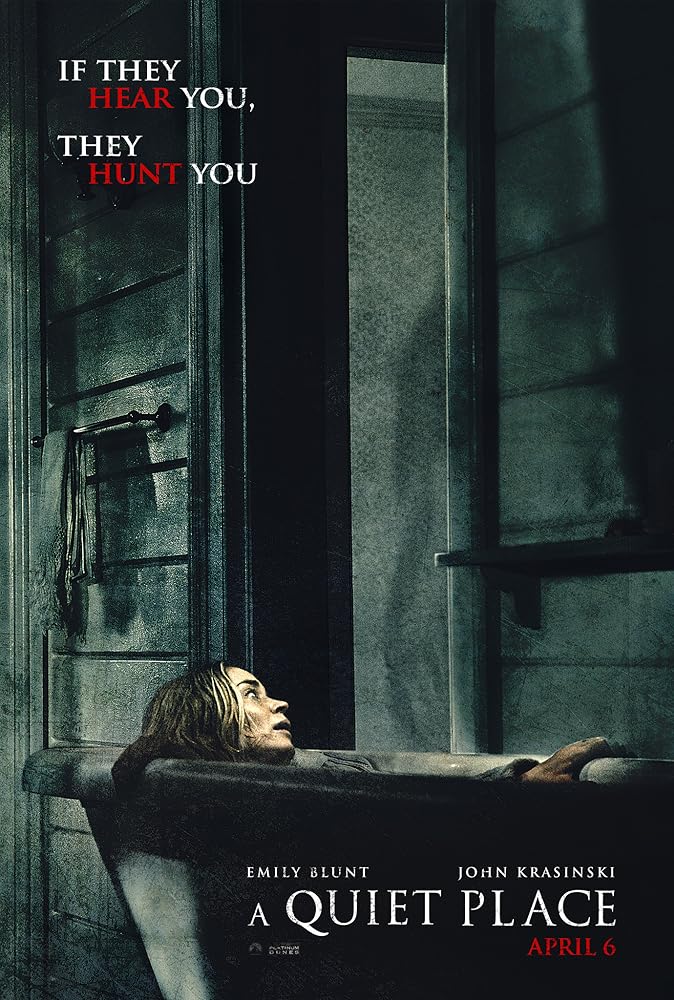
Emily Blunt in A Quiet Place (2018)
Ten

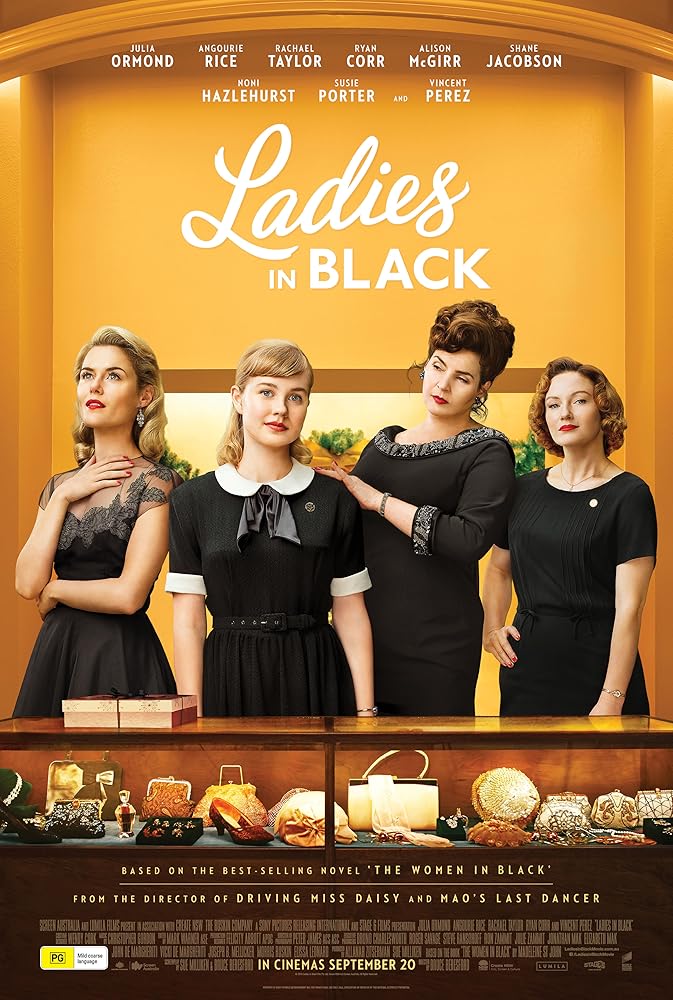
Julia Ormond, Rachael Taylor, and Angourie Rice in Ladies in Black (2018)
Nine


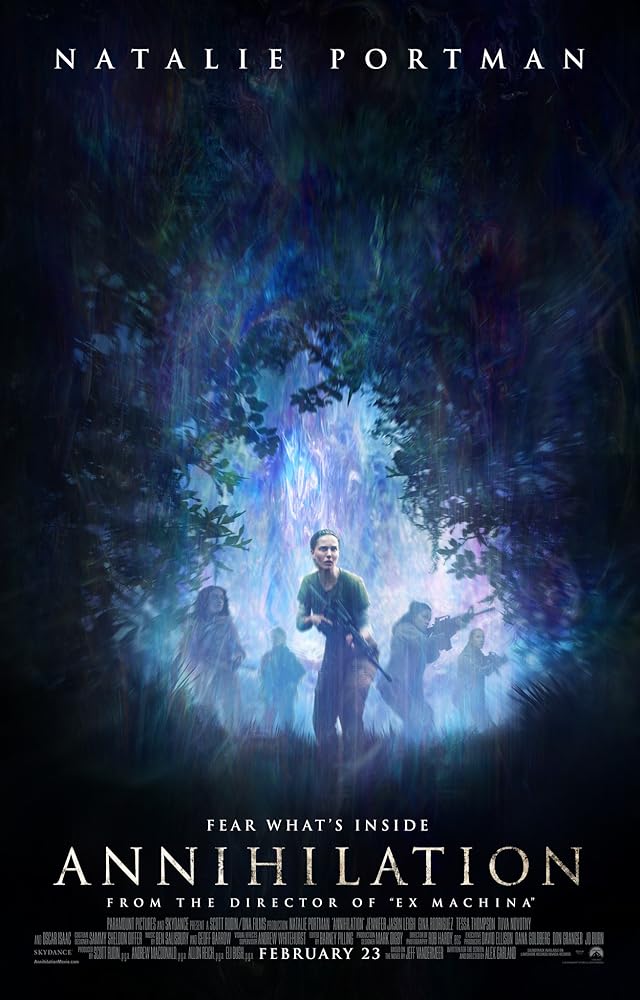
Natalie Portman, Jennifer Jason Leigh, Tuva Novotny, Gina Rodriguez, and Tessa Thompson in Annihilation (2018)
Eight


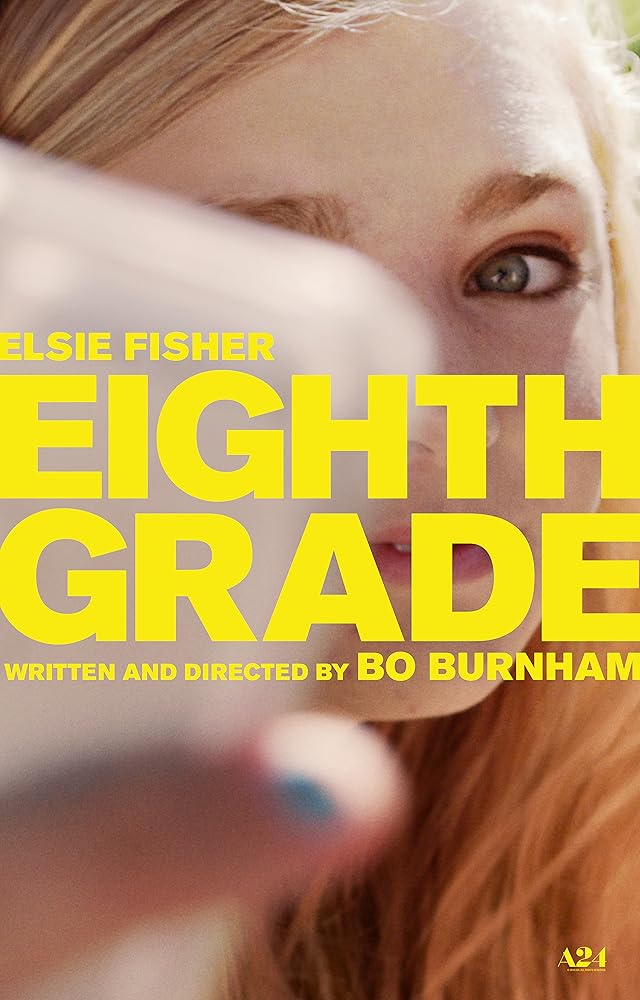
Elsie Fisher in Eighth Grade (2018)
Seven


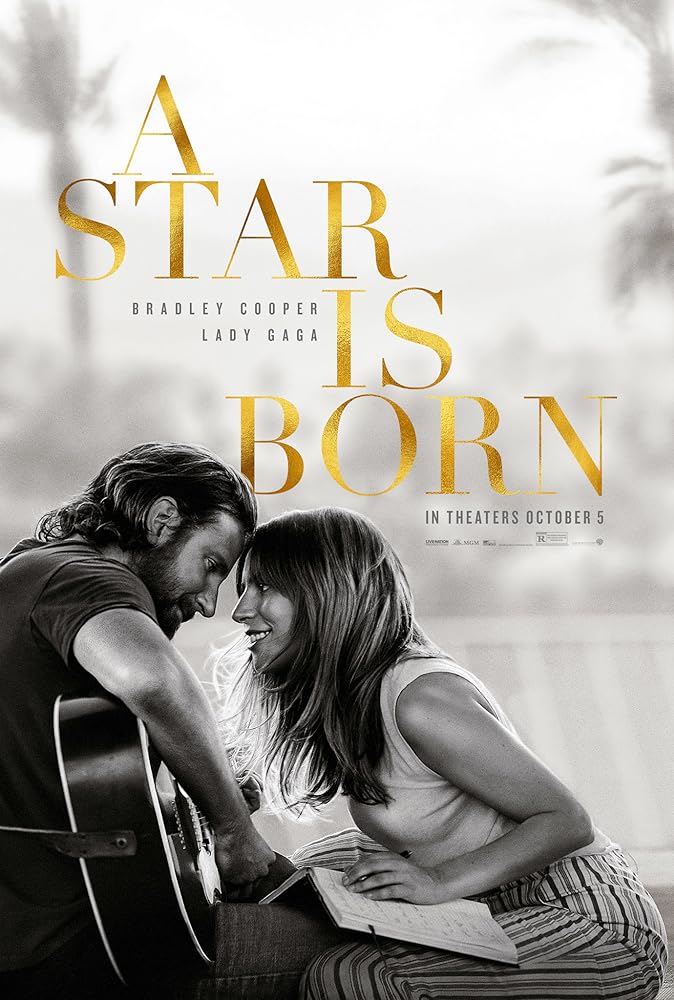
Bradley Cooper and Lady Gaga in A Star Is Born (2018)
Six

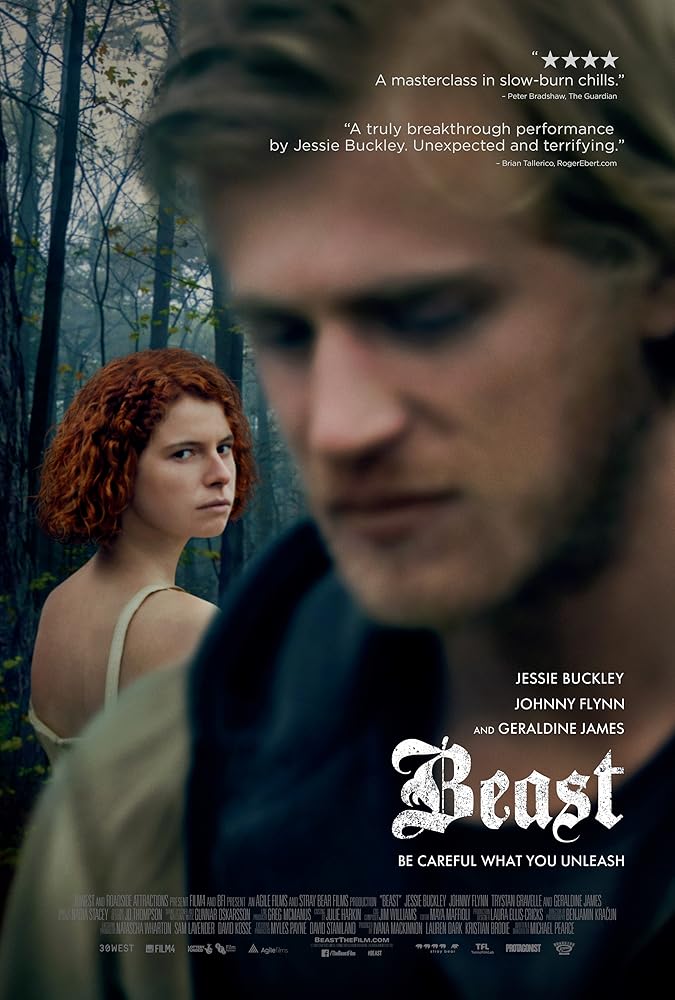
Johnny Flynn and Jessie Buckley in Beast (2017)
Five


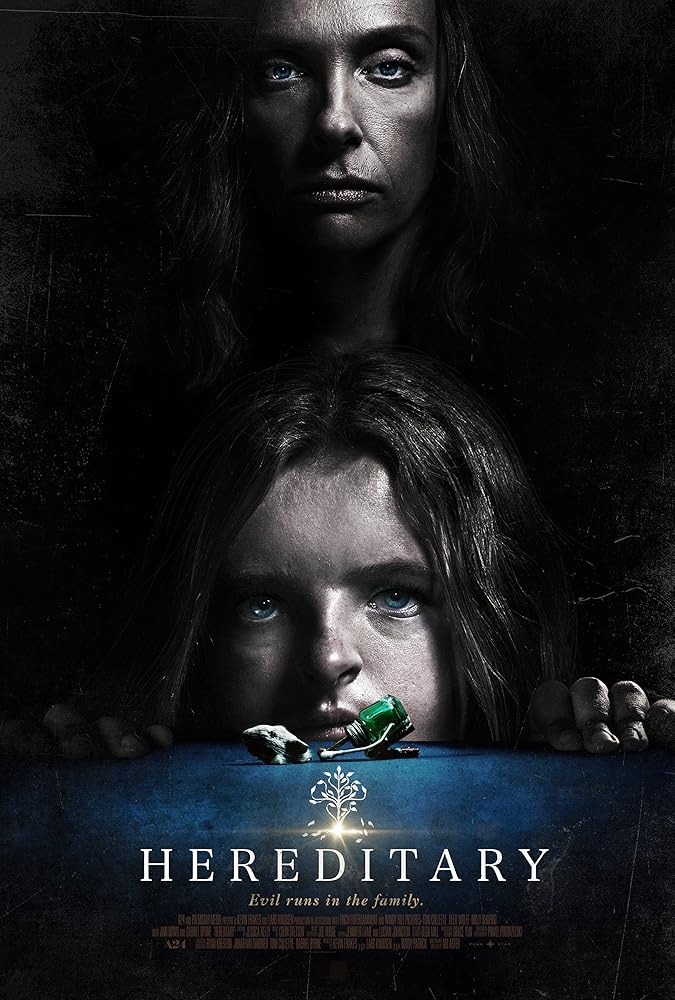
Toni Collette and Milly Shapiro in Hereditary (2018)
Four


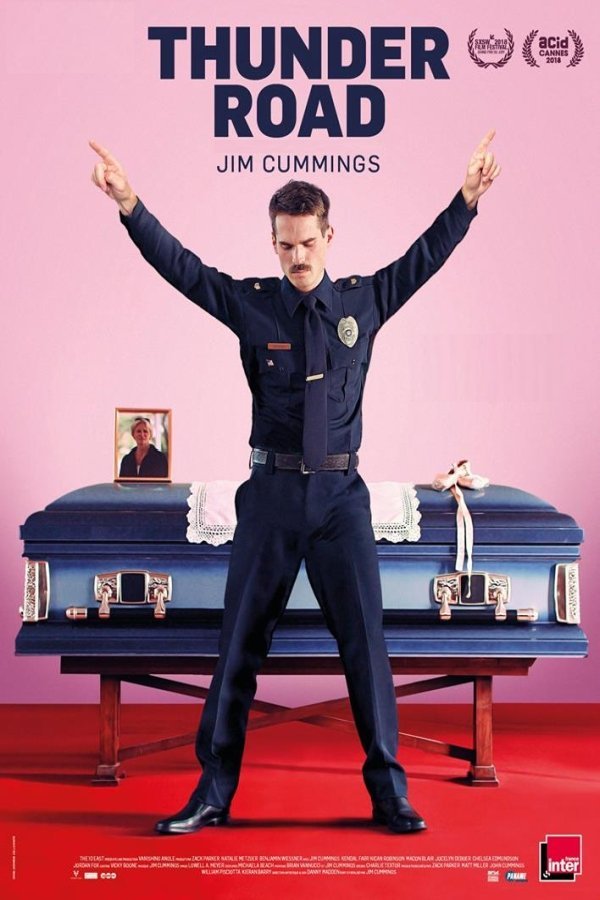
Jim Cummings in Thunder Road (2018)
Three

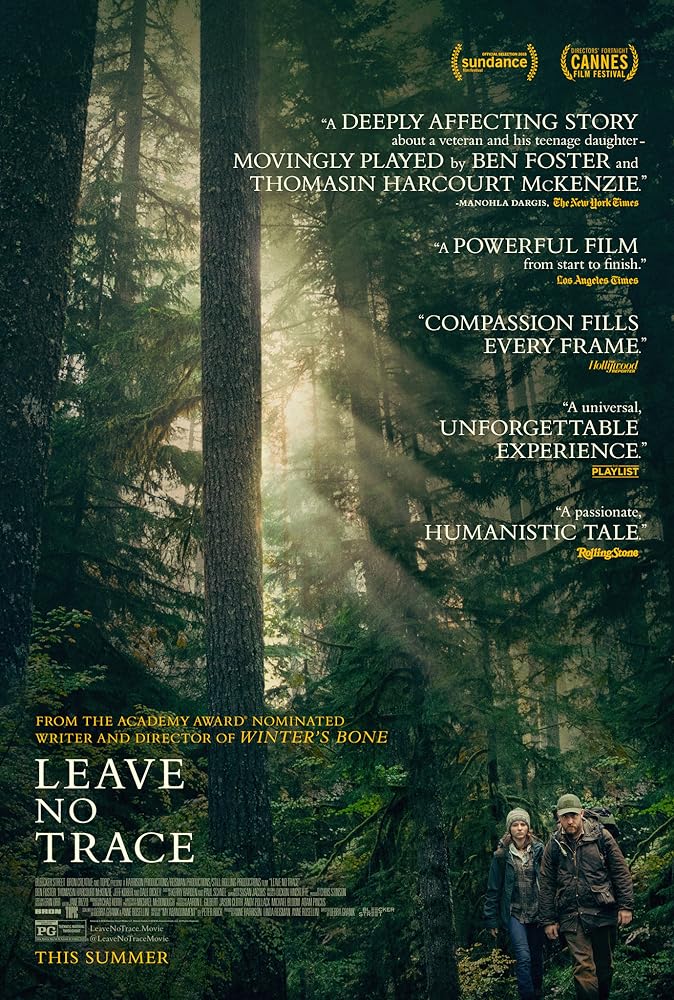
Ben Foster and Thomasin McKenzie in Leave No Trace (2018)
Two


Jakob Cedergren in Den skyldige (2018)
One


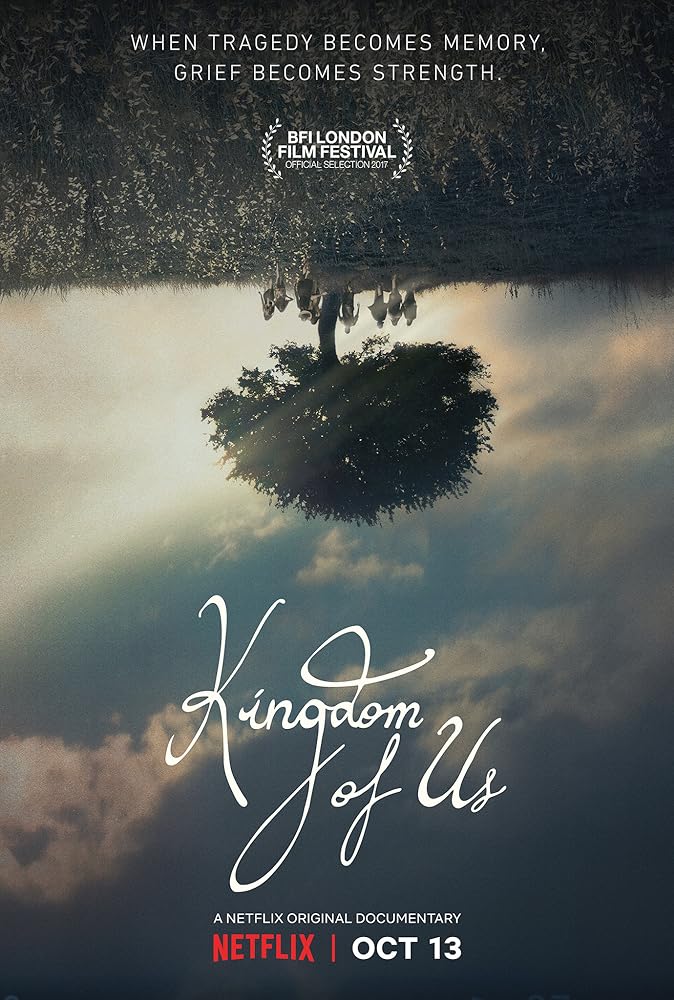
This documentary really moved me: 

Kingdom of Us (2017)


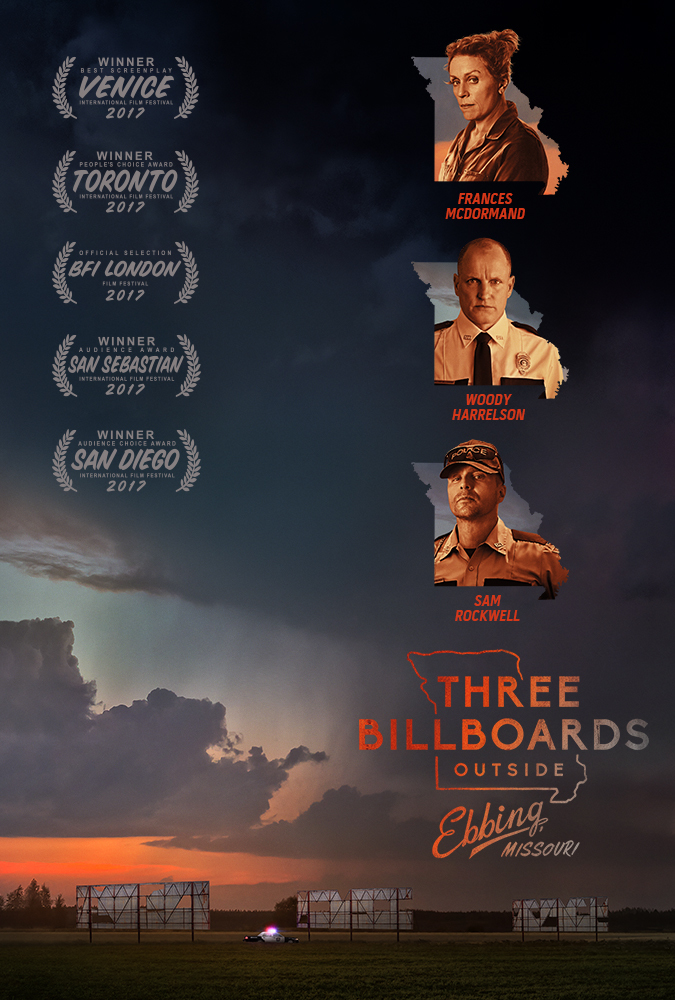
There were a lot of other films I enjoyed this year but were officially released in 2017 such as;


Woody Harrelson, Frances McDormand, and Sam Rockwell in Three Billboards Outside Ebbing, Missouri (2017)


What were your 2018 picks?


Best of 2018 in Music


D u n k i r k - Reality vs Film


Reality


The Fall of France lasted for six weeks from 10 May 1940


Port of Dunkirk before the Battle - May 1940


The Battle of Dunkirk - 26 May – 4 June 1940


French Refugees


Winston Churchill had only been British Prime Minister for 16 days at the time of this event.


Casualties and losses
  • British
    68,111 killed, wounded or captured (~3,500 killed)

    63,879 vehicles including tanks and motorcycles
    2,472 field guns
    6 destroyers
    over 200 marine vessels
    over 100 aircraft[5][6]
  • French
    18 000 killed
    35,000 captured

    3 destroyers[7][8][9]
  • (Estimated)
    German  20,000 killed and wounded
  • 100 tanks
    156 aircraft[10]
Civilian casualties: 1,000 civilians killed during air raids

                               (source: Wikipedia)


DateEvacuated
from beaches
Evacuated
Dunkirk Harbour
Total

27 May7,669                                    7,669
28 May 5,390                11,874         17,804
29 May13,752                33,558        47,310
30 May29,512                24,311        53,823
31 May22,942                45,072        68,014
1 June17,348                 47,081        64,429
2 June6,695                   19,561         26,256
3 June1,870                   24,876        26,746
4 June622                       25,553        26,175
Totals    98,671                 239,555          338,226

source: (Knickerbocker, H.R. (1941). Is Tomorrow Hitler's? 200 Questions On the Battle of Mankind. New York: Reynal & Hitchcock. OCLC 1246282.


2017 Film

                                            *No Spoilers


After first-hand accounts of the Dunkirk evacuation revealed to Christopher Nolan how young and inexperienced the soldiers were, he decided to cast young and unknown actors for the beach setting.


The movie used over 50 boats on the sea. The most that's ever been put on film.


In creating of this film, director Christopher Nolan focused on the "real" of every aspect: putting an IMAX camera on the cockpit and wing of an actual Spitfire plane, floating cameramen around in the water with actors.


Director Christopher Nolan actually rode in the Spitfire shown in the movie in order to get a sense of the aerial feel of the fighter plane; with the purpose being to help him shoot and provide an authentically realistic experience of the dogfights for the audience.


In regards to the Battle of Dunkirk's importance, Christopher Nolan stated: "This is an essential moment in the history of the Second World War. If this evacuation had not been a success, Great Britain would have been obliged to capitulate. And the whole world would have been lost, or would have known a different fate: the Germans would undoubtedly have conquered Europe, the US would not have returned to war. It is a true point of rupture in war and in history of the world. A decisive moment. And the success of the evacuation allowed Churchill to impose the idea of a moral victory, which allowed him to galvanize his troops like civilians and to impose a spirit of resistance while the logic of this sequence should have been that of surrender. Militarily it is a defeat; on the human plane it is a colossal victory."


Do yourself the old favour.

An absolutely exceptional piece of film-making. 
More of an experience than a movie.

Dunkirk is literally flawless. It's tense throughout from the first second. No schmaltz. No traditional narrative.
No heroes. No villains. Merely human beings caught up in horrendous circumstances. 


I suggest you see it on the big screen, or on BluRay on the biggest screen possible. 


For further reading, look up Hitler's Halt Order. 


Greatest Written Films - A Man for all Seasons


The story revolves around a real person, Thomas More, who refuses to capitulate to the King, Henry VIII who wants to divorce his wife so he can marry the sister of his mistress, Anne Boleyn. The screenplay was written by the legendary English playwright Robert Bolt, based on his play.

If you think it sounds familiar it is. Anne Boleyn's story has been told in various forms, most recently in the 2008 film, The Other Boleyn Girl.

Bolt's screenplay however, concentrates on Thomas More, a lawyer, humanist and Christian. He is a person of integrity, a 'Man for all Seasons,' even to the detriment of his position and ultimately, life. The themes are not based on religion, Bolt was an agnostic, though More was devout, which goes some of the way to explain the man’s dedication to what was right, even during a calamitous period when even the Pope was 'corrupt.'


Bolt had learned about More in school. Though he wrote about More in the play, Bolt was more known in the sixties for his screenplays, notably his work with David Lean. He wrote the screenplays for Lawrence of Arabia, Doctor Zhivago and Ryan's Daughter.

A Man for all Seasons was directed by Fred Zinnemann (From Here to Eternity). It won Best Film at the Oscars, as well as Best Actor for Paul Scofield who played More. More importantly for this series, it also won for Best Adapted Screenplay. Interestingly, some of Bolt's deletions for the film version were reinserted for the 1988 TV version, directed by Charlton Heston.

To be fair, the film has dated somewhat, but it is still powerful and contains some fantastic dialouge driven sequences.


A quote from the real Sir Thomas More: 'I do none harm, I say none harm, I think none harm. And if this be not enough to keep a man alive, in good faith I long not to live.'


Robert Bolt had some success in the eighties with his screenplays for The Bounty and The Mission.
He died in 1995 aged 70.


Greatest Written Films - To Kill a Mockingbird


Greatest Written Films


Harper Lee wrote her famous book based on her childhood in small town Alabama; specifically, an event which occurred during that time, in the mid-thirties. It is this nostalgia which drenches the first half of the film version of her only novel, To Kill a Mockingbird. It is endearing without ever being schmaltzy. Most can relate to the wonder and freedom of childhood, and it’s easy to see how adventurous and imagination filled it was for children who grew up pre-television and video games. Something has been lost. Indeed the title itself is a metaphor for the loss of innocence.


Harper Lee with Gregory Peck


The second half of the film is a courtroom drama based on racial prejudice. It centres on a rape case, a black man of a white woman, highly contentious issues at the time of publication, 1960, though the story is set much earlier. Lee was ahead of the game when she began writing essays about racism in the fifties, especially as she was from the South.

The film was released in 1962 by director Robert Mulligan with the screenplay by Horton Foote (which won an Oscar). With the charismatic Gregory Peck in the role of Atticus Finch, it's a dream combination. Peck gives one of his best and certainly his most well-known performance. It also won him an Oscar. He remembered it with reverence. Many say there was no difference between Peck and his character.


Film scene.


Lee was a friend of Truman Capote. She is depicted in the films, Capote and Infamous. Interestingly, she never wrote another novel, and remained out of the spotlight. The character of Atticus was based on her father, who was an attorney. He actually defended two black men accused of murder. After they were convicted hanged and mutilated, he never tried another criminal case.


Truman Capote with Harper.


The film is told with great authenticity, compassion and integrity. It is one of cinema's great stories but carries with it, the all-pervading essence of truth.

For more information about the novel... http://en.wikipedia.org/wiki/To_Kill_a_Mockingbird

More Greatest Written Films


My Books


Greatest Written Films - Children of Men


Children of Men

         (2006)


It’s 2027. It’s been eighteen years since the last human birth, and the youngest person alive is a celebrity. However the world has fallen into decline with England barely above the heap, or as Jarvis Cocker points out in his closing credits song Running The World, shit floats. It’s a police state with a strict policy of no immigrants. Terrorism is rife but for Theo (Clive Owen), he has left his idealist days far behind. He simply wants to get on with living, but his past isn’t through with him just yet. The underground movement has a task for him, which has ramifications for the entire world.


Alfonso Cuarón, (Y tu mamá también and Harry Potter 3 which in my view was a standout amongst the series) paints a very bleak view. It’s always overcast and wet, but that’s part of the canvas he’s working with. In Children of Men, the world is polluted world. Train stations are guarded by soldiers and suspected immigrants herded off into camps, (not far removed from actuality). The film has much to say about government policy, overpopulation, immigration, ambition and the chasm between the classes. Yet as all good films should, Children of Men avoids the conspicuous, showing us rather than telling us.


Cuarón uses his hand-held cameras to set us alongside Theo; we don’t see anything unless he does, as he caught up in a situation where he has no control. He’s merely trying to survive from one moment to the next.

There were times when I was reminded of Act II from Kubrick’s Full Metal Jacket and the comparison is not without justification. Cuarón uses extended takes to place us within the scenes themselves, particularly in two remarkable set pieces, one of which is inside a car. Excuse the analogy, but this is a director dominant behind the wheel.

There is also a lot to admire in Timothy Sexton’s screenplay, which was based on P.D. James’ novel. Sexton understands the film language that less is more.


The cast is superb, with Julianne Moore and Michael Caine getting all the best lines. However it’s the supporting cast that really shines, Chiwetel Ejiofor, Pam Ferris and Peter Mullan as Syd who almost steals the show.


This is a future easily imagined, a post terrorist world where the small percentage of the population with wealth cling to it with disregard to those with nothing. This film works as a taut thriller, but also acts as a warning. For too long we have sat idly by enjoying the fruits of our development without thought to where we are going. Children of Men was released in 2006 and was a literal stop sign, with a glimpse to this possible future without action; global warming, overpopulation, dying resources, the majority who have nothing and the threat of a pandemic. Many of these issues have been strongly debated ever since, and seem a long way from being resolved. Given that it takes up to two years to make a film, Children of Men was pre-emptive and hugely pertinent.


It is an important film, yet even as a piece of entertainment, it still ranks of one of the best.


My Books


Coming soon,
My 2004 convict drama short film, Irons. (Now available on my website under Short Films)


Next week,
the final Poem for 2011.

Until then,

=]

Greatest Written Films - Magnolia


MAGNOLIA (1999) is by the film’s creator own admission, his masterpiece. Something I agree with, though many critics site THERE WILL BE BLOOD (2007) as the better film.


Paul Thomas Anderson had such a success with BOOGIE NIGHTS (1997) (and many of the cast return here), that he was given free reign with his next project, an ambitious opus on character with interweaving threads. Initially he wanted a small film, but it literally ‘blossomed’. All of the characters are associated in some way, though their journeys remain uniquely separate, such as the petals of the Magnolia flower. Some of the characters include a nurse played by Philip Seymour Hoffman, a child genius, a TV show host, a wealthy man who is dying (played by Jason Robard’s in his last film role) and a memorable performance by Tom Cruise as Frank T.J. Mackey, a loathsome sexual self-help guru for men. I’m not a fan of Cruise but in this he is hilarious yet tragic. The casting throughout is perfect.


All are in battle with the self. Tortured, isolated, lonely and in search of redemption and yet none seem to realise that they are indeed connected. The film’s other themes are coincidence, set out in the incredible prologue and the implausible made plausible, such as the frog rain. There is nothing more outlandish than real life. These themes are also metaphoric for certain people coming together, such as the cop and the drug addict. Everybody’s searching. Everybody seeks to be noticed. To be understood. This really opened up the scope of small things made grandiose, leading the way to films like CRASH (2004).

Incidentally some have seen the spellbinding frog rain scene, which is incredible and unique in cinema, as a reference to the Bible. Anderson claims it came from a story told to him by Philip Baker Hall who experienced the phenomenon in a storm while driving in Italy. There are various records of this occurring in history (though in heavy rain) but some still struggle with this scene. I find it astonishing.


This is a bold film. There is a scene where the main characters each sing a different part of a song, especially created for the film by Aimee Mann, even though they appear in the scene on their own. This doesn’t happen anywhere else in the piece and takes place in a tense dramatic period. Each of the lyrics relate to the characters own story. Somehow it works. In lesser hands it would have been laughable. I’ve never seen it attempted before or since.


Anderson creates his mosaic from his desire to work with certain actors and even wrote parts especially for them. He went away, isolating himself in a small cabin for two months and came back with this artistic powerhouse, refusing to alter a word. At three hours, it is an amazing labyrinth of angst, suffering, fear, longing and regret tied up in exquisite soul bleeding dialogue. In some ways it is the nephew of NETWORK (1976), a film Anderson showed to the cast before filming, also an ensemble piece centering around a Television show as Anderson also worked on a quiz show before making his foray into film.


Brilliant in direction and acting, the film was nominated for several Academy Awards, including script-writing, but lost to AMERICAN BEAUTY, a good film, but not in the same league. In the same way that THE SHAWSHANK REDEMPTION (1994) was overshadowed by THE ENGLISH PATIENT at the Oscars, time has revealed the error. This is by far a more complex and artistically successful film. I’ll go as far as saying MAGNOLIA is one of the best American films for the past thirty years, certainly in terms of script. Let’s hope Anderson has many films left in in him yet, though (as he also believes), may never top MAGNOLIA.


My Books


Greatest Written Films - The Lost Weekend


A homage to the written word in Film.


The Lost Weekend (1945)


A character study and an issue based film, The Lost Weekend was years ahead of its time upon its release in 1945. It tells the story of Don Birnam (Ray Milland), a thirty something alcoholic. It covers the period of four days, over a long weekend, which sees his relapse from a brief dry period. It seems his long suffering girlfriend and brother have made many efforts to keep him straight and hope that this latest dry spell continues. But only one person can save someone from themselves and in the case of addiction, not even they. This doesn’t pull any punches and was quite bold in its day. Such was the controversy, that the alcohol industry protested against the making of the film, but star director, Billy Wilder (The Seven Year Itch, Double Indemnity), persevered. Nothing like a bit of free publicity.

Wilder wrote the screenplay with Charles Bracket but it was based on the novel by 41 year old Charles R. Jackson that had been published the previous year. The novel was a hit, due to the authenticity and tragedy of the story. Jackson himself was an alcoholic. Despite a writing career that followed all the hoopla of The Lost Weekend, his demons never left him. He also struggled with his sexuality, hinted at in the book but not in the film. Sadly, he remained an alcoholic until his suicide in 1968.


It's hard to imagine any other actor than Ray Milland playing the lead, but initially he wasn't interested. He was a star at the time and not a fan of the booze but his wife convinced him that it would be a career defining role. She was right. He won the Oscar. (His acceptance speech consisted famously of a mere bow).

Powerfully sad, to the point of farce at times, The Lost Weekend demonstrates the tragic desolation that grips the drinker and its effect on those closest to them. Leaving Las Vegas (1995) is another strong film with very similar themes, but Wilder got there first. A wonderfully written character, great dialogue (often performed by Milland in single scenes to himself) and a true classic.


My Books


More Film